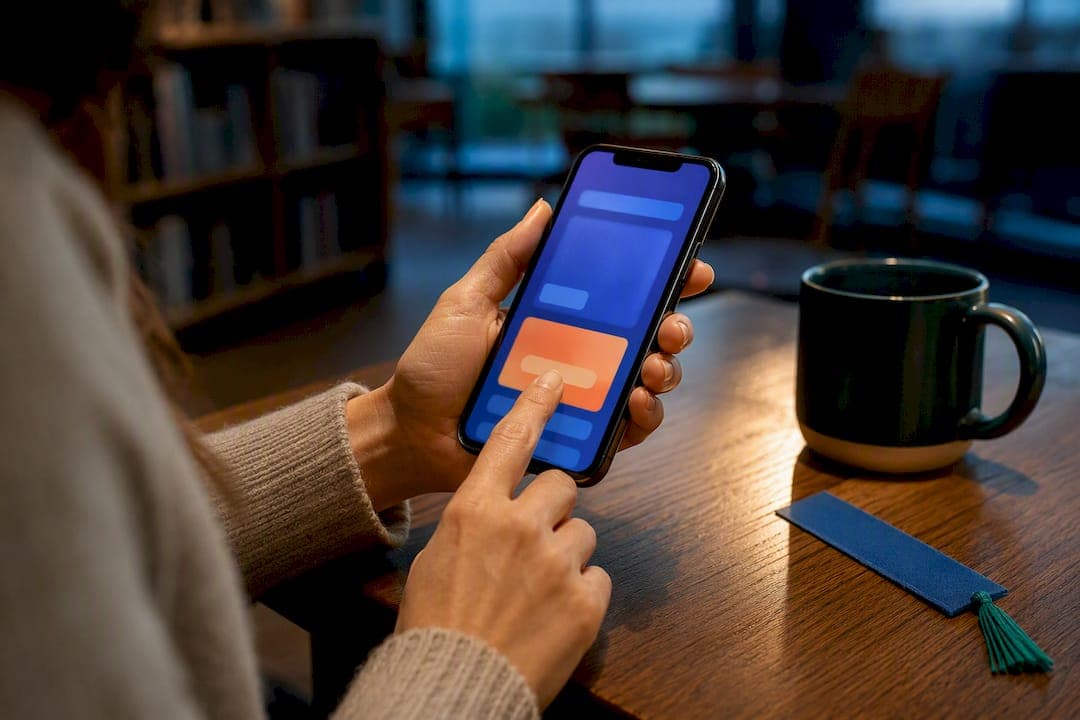
The fastest ways to support indie authors are to buy their books (preorders count double), leave honest reviews on retailer pages and Goodreads, share the book with your circle, and request it at your local library. Buying funds the author directly, reviews and preorders boost algorithm visibility, and library requests build long-term readership. Groups like the Alliance of Independent Authors and marketplaces such as Thedigitalreads make every one of these steps easier.
TL;DR:
- Preordering and buying indie books directly or through indie-friendly marketplaces significantly boost early sales, improving their visibility during critical launch periods.
- Honest, specific reviews on retailer sites and Goodreads help readers make trust-based purchasing decisions and enhance the author's credibility.
- Requesting indie titles at libraries and attending author events increase long-term exposure and signal demand to bookstores and librarians.
- Supporting authors through free actions like sharing posts, beta-reading, and signing up for newsletters builds a sustainable audience without financial cost.
- Translating, narrating, or crowdfunding campaigns extend an indie author's reach into new markets, often filling funding gaps for production costs.
Table of Contents
- Buy, Preorder, and Gift Books to Support Indie Authors
- Write Reviews That Actually Help Indie Authors
- Share and Promote Indie Books Without Spending a Dime
- How Do You Request an Indie Book at Your Library?
- Attend and Boost Author Events, Signings, and Readings
- Support Without Spending: Free Actions That Matter
- How Organizations and Marketplaces Protect Indie Authors
- Crowdfunding and Patronage: Backing Authors Before the Book Exists
- Translate or Narrate: Helping Indie Books Reach New Audiences
- An Author's Note on What Reader Support Actually Feels Like
- Support Indie Authors Every Time You Buy on Thedigitalreads
- Sources
- FAQ
Buy, Preorder, and Gift Books to Support Indie Authors
Buying is still the cleanest way to support indie authors, and preorders carry extra weight. Author guides consistently rank purchasing and preordering as the top support action, because a concentrated early sales window pushes a title up retailer rankings right when new-release algorithms are watching closest, according to Elle McFadzean's breakdown of indie support tactics. Ebook sales tend to put more money in an author's pocket per copy than print, since production costs are lower, but both matter for visibility.
Before you check out, run through this:
- Buy direct from the author's site or an indie-friendly marketplace when you can.
- Preorder if the release date is still weeks out.
- Check for gift options. Many platforms let you send an ebook to a friend.
- Pick the format your reader actually prefers (PDF, EPUB, or DOCX all serve different devices).
Pro Tip: If you're not ready to read a book yet, preorder it anyway. The purchase counts toward launch week numbers even if it sits in your library for months.
Write Reviews That Actually Help Indie Authors
Reviews are free, and they carry outsized weight for independent authors who don't have a marketing budget behind them. Retailer product pages, Goodreads, and library catalog sites are the three places your words do the most work, since they feed directly into what other readers see before they click "buy."
A review that helps takes about three minutes:
- Rate honestly. A genuine three stars helps more than an inflated five you don't mean.
- Mention one specific thing. Which character, twist, or line stuck with you?
- Skip the spoilers. Save plot reveals for a spoiler tag if the platform allows one.
- Post it in more than one place. A Goodreads review takes thirty extra seconds to copy over to the retailer page.
Star ratings alone barely register with skeptical shoppers. A few sentences of real reaction is what makes another reader trust the rating, according to The Domestic Life Stylist's list of indie support tactics.
Pro Tip: Never trade a positive review for a free copy without disclosing it. Honesty protects the author's credibility as much as yours.
Share and Promote Indie Books Without Spending a Dime
A single social post can put a book in front of readers the author would never reach alone. Images and short videos outperform plain text, and a quick "shelfie," a quote card pulled from a memorable line, or a fifteen-second story clip all travel further than a paragraph of praise.
Build the habit with a short weekly checklist:
- Post one shelfie or quote graphic when you finish a book.
- Mention the title by name if you're active in a book club.
- Tag the author so the post reaches their notifications, not just your friends.
- Reshare the author's own posts instead of just liking them.
- If you host or listen to a podcast, drop the title in casually when it's relevant.
Visual posts and consistent mentions compound over time. One post rarely sells a book, but ten scattered across a month build the kind of familiarity that eventually does, according to Heather Moll's guide to free indie support.
How Do You Request an Indie Book at Your Library?
Library holds and purchase requests genuinely influence what librarians order next, and it costs you nothing but a short message.
- Find the request form. Most library websites have a "suggest a purchase" page.
- Include the title, author name, and ISBN if you have it.
- Note the format you'd like (ebook, print, or audiobook) since libraries often buy licenses per format.
- Mention the distributor if you know it. Titles distributed through networks like IngramSpark reach over 45,000 retailers and libraries, which makes acquisition simpler for staff.
- Follow up politely after two to three weeks if you haven't heard back.
A short message works fine: "I'd love to see [Title] by [Author] added to the collection. It's available through [distributor], ISBN [number]. Thank you for considering it!"
Independent bookstores respond to the same approach. Staff at shops featured on lists like The Best KC's independent bookstore roundup often stock based on customer requests, especially for local or regional authors.
Pro Tip: Ask if the library does holds. Even one hold on a title signals demand that staff notice.
Attend and Boost Author Events, Signings, and Readings
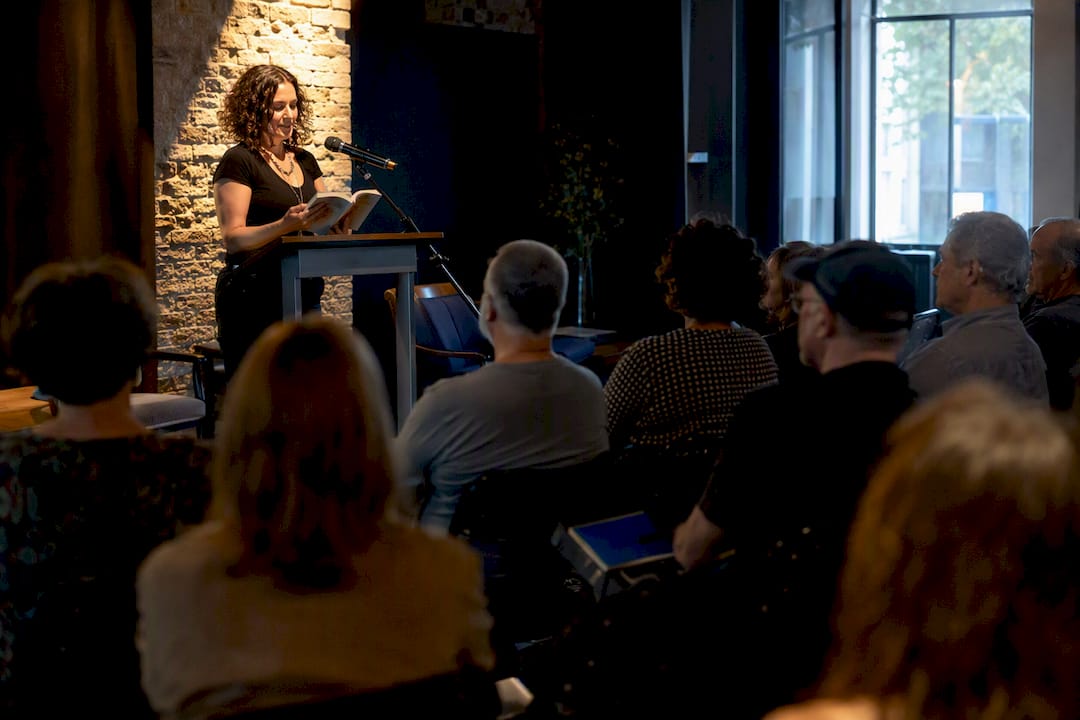
Showing up matters more than most readers realize. A packed room, even a small one, tells a bookstore or library it's worth inviting that author back, and it tells the author their next event is worth planning.
Whether the event is in person or on a screen, a few small actions carry real weight:
- Buy a book at the event instead of ordering it online later. Venues often split proceeds with authors on-site sales.
- Ask for a signed copy. It costs you nothing extra and gives the author a personal touch to point to.
- If the event is virtual, comment and ask a question. Engagement numbers affect whether hosts book that author again.
- Clip a short moment and share it afterward, tagging both the author and the venue.
- Consider hosting a small reading or discussion yourself if your local shop or library is open to it.
Support Without Spending: Free Actions That Matter
Not every meaningful action costs money, and some of the cheapest ones matter most. Opening an author's newsletter and clicking a link inside it helps their sender reputation with email providers, which affects whether future emails land in inboxes at all.
A few low-cost habits go a long way:
- Subscribe to the author's newsletter and actually open it.
- Offer to beta-read a manuscript if you enjoy giving structured feedback.
- Volunteer at a local event, even just helping set up chairs or manage a signing line.
- Make fan art or a short fan video if that's a skill you have.
- Reach out with a short, specific message rather than a vague "love your work."
J. Brightley's writing on supporting indie authors](https://cjbrightley.com/on-writing-and-publishing/how-to-support-indie-authors/). If you enjoy giving feedback before a book even launches, Thedigitalreads' guide to finding beta readers walks through how that process usually works.
Pro Tip: When you message an author, be specific about what you're offering and what you're not asking for in return. Vague offers to "help" often go unanswered simply because the author doesn't know what to do with them.
How Organizations and Marketplaces Protect Indie Authors
Independent authors operate without the legal or marketing teams a traditional publisher provides, which is exactly why watchdog groups and distribution networks matter so much. The Alliance of Independent Authors runs a Watchdog Desk that flags predatory publishing services, alongside membership tiers and vetted partner directories that help authors avoid scams while scaling their careers.
Multiple small reader actions, reviews, preorders, library holds, and event attendance, compound over time. Each one nudges a book slightly higher in the signals that algorithms and buyers actually notice, according to The Domestic Life Stylist's analysis of indie support tactics.
On the distribution side, IngramSpark advertises reach into more than 45,000 retailers and libraries worldwide, which is why a request at your local library often isn't a long shot. The infrastructure to fulfill it already exists.
Marketplaces play a different role. A marketplace carries a large collection of titles across science fiction, fantasy, horror, thriller, and romance genres, including free downloads in PDF, EPUB, and DOCX formats. Every purchase on the platform connects a reader directly to independent authors' catalogs, rather than routing through a traditional retail structure.
Crowdfunding and Patronage: Backing Authors Before the Book Exists
Buying a finished book is direct support, but crowdfunding and patronage platforms let you back an author before a single chapter is polished. Campaign-based platforms fund a specific project, usually with a deadline and reward tiers: an ebook, a signed print copy, a mention in the acknowledgments, or early access to draft chapters. Ongoing patronage platforms work differently. Readers pledge a small recurring amount, often just a few dollars a month, in exchange for behind-the-scenes updates, early chapters, or exclusive short stories.
Both models solve a real problem for independent authors: cash flow. Traditional publishing advances don't exist in self-publishing, so the money to pay for editing, cover design, and formatting has to come from somewhere before the book generates a cent. A successful campaign or a steady base of monthly patrons covers that gap.
If you want to back an author this way, a few things help:
- Check what the funds are actually going toward (editing, cover art, audiobook production) before pledging.
- Read the reward tiers carefully. Some are financially generous but hard for a solo author to fulfill on a tight timeline.
- Favor recurring, smaller pledges over one-time large ones if you want to support an author's whole career rather than a single project.
- Share the campaign itself. A crowdfunding page's biggest obstacle is usually visibility, not lack of interest.
Patronage isn't for every reader's budget, and that's fine. Even a single shared campaign link does real work for an author trying to reach new backers.
Translate or Narrate: Helping Indie Books Reach New Audiences
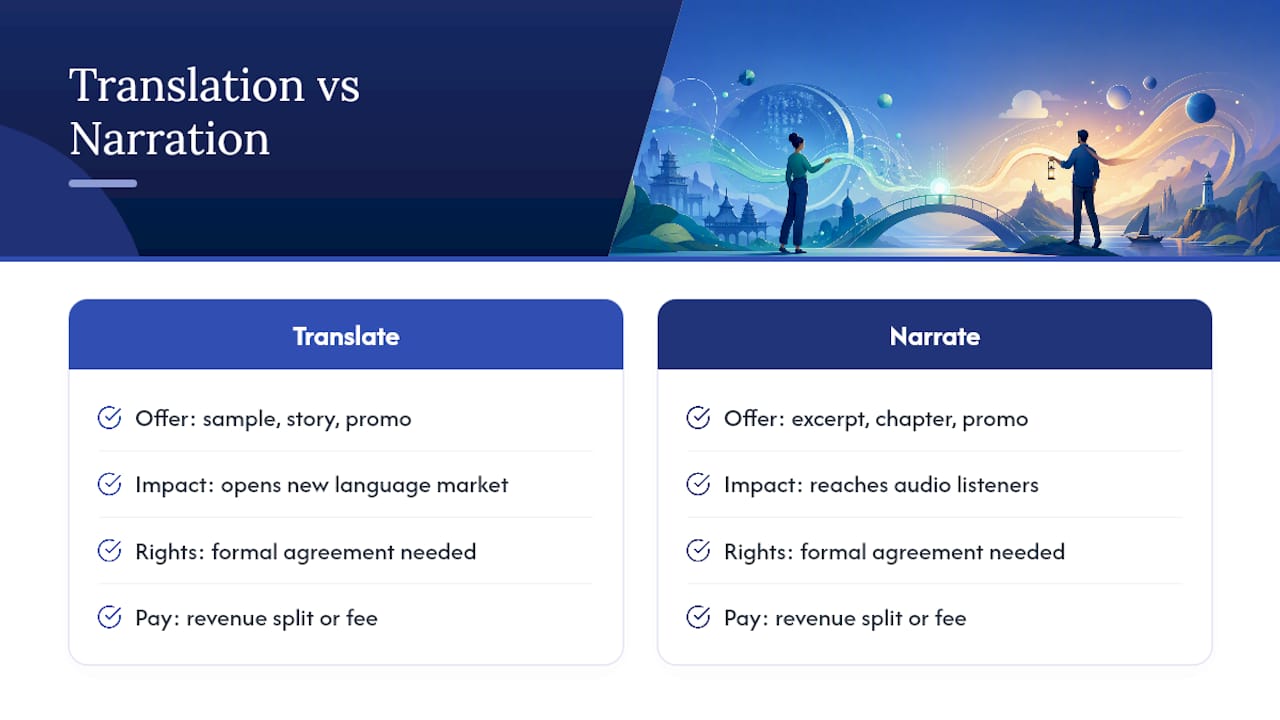
Some of the most valuable support an indie author can receive doesn't come from a reader's wallet at all. It comes from a reader's skills. Translation and audiobook narration open a book to entirely new markets, and independent authors almost never have the budget to commission both professionally for every title they publish.
If you're bilingual and love a particular author's work, offering to translate a short story, a sample chapter, or even promotional copy can be the difference between that author reaching one language market or two. Formal translation rights and contracts matter here. Reputable collaboration always starts with a direct conversation with the author about scope, compensation (even if it's a revenue split rather than upfront pay), and who retains what rights afterward.
Narration works similarly. If you have any experience with voice work, home recording, or even just a genuine passion for performing a story aloud, pitching yourself as a narrator for an author who can't afford a professional studio production is a real form of support. It's a bigger commitment than a review or a social post, and it should be treated as a professional collaboration with clear terms, not a casual favor.
Both routes require trust and a track record, so start small. Translate a sample chapter as a demonstration, or narrate a short excerpt before committing to a full manuscript. It shows the author what you can do without asking them to gamble on an entire project up front.
An Author's Note on What Reader Support Actually Feels Like
For an independent author, a single review notification can turn an ordinary day around, and a stranger sharing their book unprompted often means more than a five-star rating alone. It signals someone connected with the words enough to hand them to another person.
If you take one action this week, make it a review. It takes minutes and it stays visible for years. Tag the author when you post about their book. Most indie writers watch those mentions closely, and a shared post often gets a genuine, personal reply back.
— richard
Support Indie Authors Every Time You Buy on Thedigitalreads
Buying an ebook through a dedicated indie marketplace sends your money directly toward author support, avoiding traditional retail structures. Such platforms typically carry a wide range of titles across genres, including free downloads with instant access in various digital formats.
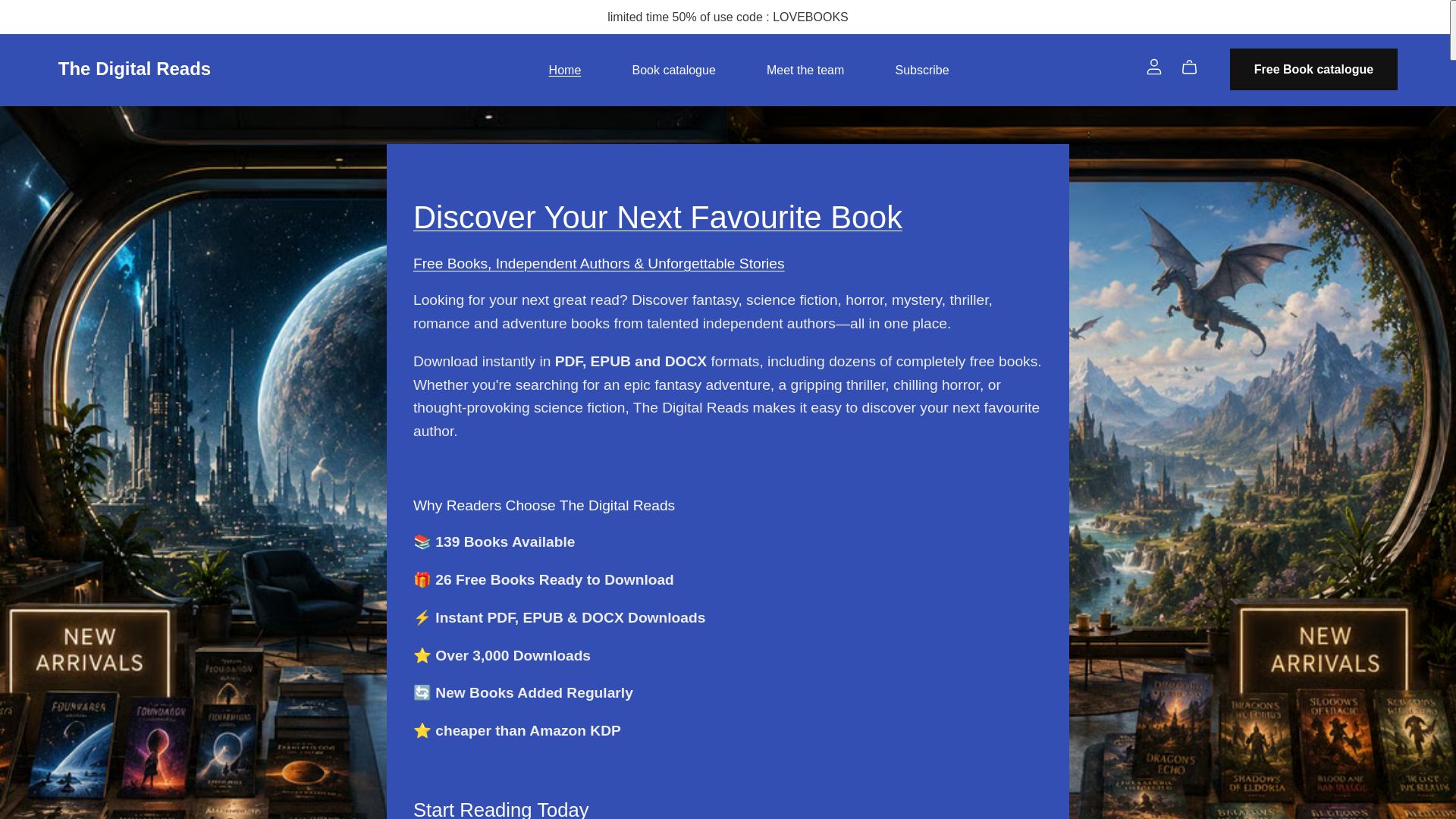
Every purchase connects you directly to independent authors' catalogs rather than to bestseller-driven shelves, which can increase the impact of each purchase compared to larger stores. If you're ready to put today's list into practice, start on the Thedigitalreads marketplace and pick a title to buy, preorder, or gift this week.
Sources
- The Alliance of Independent Authors (ALLi)
- How to self-publish a book | IngramSpark
- Supporting Indie Authors: 5 Simple Ways You Can Make a Difference | Elle McFadzean
FAQ
How many books do I need to sell to make $100,000?
It depends heavily on price point and royalty rate, but at a typical indie ebook royalty of a few dollars per copy, an author generally needs tens of thousands of sales to reach that figure, which is why preorders, reviews, and library requests that compound over time matter so much.
Who are some of the best indie authors?
There's no single definitive list, since "best" varies by genre and reader taste, but exploring curated indie catalogs, including genre-specific collections like Thedigitalreads' indie horror picks, is one of the more reliable ways to discover standout independent voices.
What author was rejected 23 times?
This detail isn't something this article's research can verify with a specific attribution, so rather than repeat an unconfirmed claim, it's worth noting that repeated rejection before eventual success is common across traditional and independent publishing alike.
How much do indie authors get paid?
Payment varies by platform and format, but ebook sales generally return a higher percentage per copy to the author than print because production costs are lower, and preorders plus early reviews both influence how many total copies an author eventually sells.