If you want the short answer, start with The Light at the End by John Skipp and Craig Spector, then move to Poppy Z. Brite's Exquisite Corpse and Richard Laymon's The Woods Are Dark. These three titles represent the genre at its most gripping and give you a real feel for what splatterpunk delivers. This page covers the full picture: a quick origin primer, a canonical reading list, modern indie picks, a starter-to-extreme reading path, and practical places to find these titles digitally.
Top essential picks at a glance:
- The Light at the End by John Skipp & Craig Spector — the definitive splatterpunk debut, fast and vicious
- The Cleanup by John Skipp & Craig Spector — a grittier follow-up with sharp social edge
- The Scream by John Skipp & Craig Spector — rock music meets apocalyptic horror
- Exquisite Corpse by Poppy Z. Brite — literary and deeply disturbing; a genre high-water mark
- In the Miso Soup by Ryu Murakami — psychological dread that escalates into pure carnage
- The Woods Are Dark by Richard Laymon — relentless survival horror with no safety net
Content warning: Splatterpunk and extreme horror fiction regularly depicts graphic violence, sexual violence, child abuse, and animal cruelty. Read blurbs and community reviews before starting any title. It is completely fine to put a book down.
The rest of this page walks you through the genre's roots, the full canonical list, where the scene lives today, and how to build a reading path that matches your tolerance.
Key Takeaways
Splatterpunk is the original extreme horror subgenre, coined by David J. Schow in the 1980s, and its best titles combine graphic violence with genuine literary craft and countercultural attitude.
| Point | Details |
|---|---|
| Best starter pick | The Light at the End by Skipp & Spector is the most accessible entry point for new readers. |
| Core canon | Brite, Laymon, Barker, and Murakami define the genre's range from literary to relentless. |
| Modern scene | Indie and small presses drive today's extreme horror; vet releases via r/horrorlit before buying. |
| Trigger awareness | Check content warnings before every title; sexual violence and child harm appear frequently. |
| Thedigitalreads | Instant EPUB, PDF, and DOCX downloads of indie horror titles, no subscription needed. |
Table of Contents
- What are splatterpunk books, and where did the genre come from?
- Where does splatterpunk live today?
- How do you build a splatterpunk reading path?
- Where can you find splatterpunk books to read right now?
- Thedigitalreads has these horror ebooks ready for instant download
- Sources
- FAQ
What are splatterpunk books, and where did the genre come from?
Splatterpunk is a subgenre of horror fiction built on graphic, visceral depictions of violence and a deliberately transgressive attitude toward conventional storytelling. Where mainstream horror often pulls back at the moment of maximum dread, splatterpunk leans in. The gore is the point, but so is the moral chaos underneath it. According to Wikipedia's overview of the movement, the genre is distinguished by its countercultural aesthetic as much as by its content.
The term itself was coined by author David J. Schow in the mid-1980s, and The Line-Up traces the label's origin to that same period, when a loose group of writers pushed horror away from gothic restraint and toward something rawer and more cinematic. Think punk rock applied to horror fiction: loud, confrontational, and deliberately uncomfortable.
"Splatterpunk's spirit is broader than gore alone — it signals moral chaos and a rejection of conventional narrative safety." The Line-Up
Four hallmark traits you can expect in any splatterpunk title:
- Visceral, unflinching imagery — violence is described in full, not implied
- Subversive, countercultural voice — characters and plots reject moral tidiness
- Cinematic pacing — scenes move fast; prose is muscular and immediate
- Boundary-pushing themes — taboo subjects are not avoided; they are the subject
Splatterpunk overlaps with what readers now call "extreme horror," but the labels are not identical. Splatterpunk carries a specific 1980s lineage and aesthetic attitude. Extreme horror is a broader contemporary umbrella that includes bizarro fiction and body-horror hybrids. If you enjoy horror subgenres that push past the usual limits, splatterpunk is where that tradition started.
Where does splatterpunk live today?
The modern extreme horror scene is driven almost entirely by indie and self-published authors. Industry observers note that small presses and self-publishing allow writers to go further than any mainstream editorial team would permit, which is exactly why the most transgressive contemporary work rarely appears on a major imprint's list.
A few names worth knowing right now: Kristopher Triana writes with the same muscular, no-exit energy as the 1980s founders. Ryan Harding pushes content limits further than almost anyone currently publishing. Wrath James White brings a sociological edge to extreme horror that echoes splatterpunk's countercultural roots. These writers are not household names yet, but community-driven lists on Reddit and genre blogs have made them reliable recommendations among active readers.
Vetting indie releases takes a little more effort than picking up a mainstream title. Read the first sample chapter if one is available. Check community reviews on Goodreads and genre-specific Reddit threads like r/horrorlit. Look for content notes posted by the author or publisher. Recent roundups from sites like Macabre Daily are also useful for finding current releases with honest assessments of intensity level.
For hidden gem indie horror titles beyond the obvious names, curated discovery lists are your best shortcut.
Pro Tip: Subscribe to author newsletters from small presses like Deadite Press, Grindhouse Press, and Clash Books. They announce new releases before any retailer lists them, and they often include content notes that help you decide before you buy.
How do you build a splatterpunk reading path?
Pick by intensity tolerance first, then by subject triggers, then by whether you prefer short stories or novels. That order matters.
-
Starter level — The Light at the End (Skipp & Spector) or The Hellbound Heart (Barker). Both are intense but controlled. The violence serves the story, and neither book wallows without purpose.
-
Mid-range — In the Miso Soup (Murakami) or The Woods Are Dark (Laymon). These escalate harder. In the Miso Soup builds slowly; The Woods Are Dark is relentless from page one. Pick based on whether you prefer dread or immediate threat.
-
Extreme — Exquisite Corpse (Brite) or Survivor (Gonzalez). These are not casual reads. Both contain content that will stay with you. Read blurbs and community reviews carefully before starting either.
Common triggers to check for before you start any title:
- Sexual violence (present in many canonical and modern titles)
- Child abuse or harm to minors
- Animal cruelty
- Graphic torture or prolonged suffering
- Dehumanizing depictions of marginalized groups
Practical dos and don'ts:
- Read the Goodreads content warnings section before starting a new author
- Swap to a lighter horror title or non-horror read between heavy books
- Stop mid-book without guilt — no story is worth genuine distress
- Avoid starting an extreme title late at night if you are already stressed
Is this genre for you? If you loved It or The Shining but wanted the horror to go further, splatterpunk is a natural next step. If graphic content tends to linger and affect your mood for days, start with Barker's short fiction and see how you feel before going deeper.
Where can you find splatterpunk books to read right now?
Most canonical titles are available as ebooks through major retailers, and many indie and small-press titles are sold directly by the publisher or through platforms that support independent authors.
Main channels:
- Major ebook retailers carry the mainstream-adjacent titles (Barker, Ellis, Murakami) in EPUB and PDF formats for immediate download
- Small press direct sales (Deadite Press, Grindhouse Press) often offer the best prices on indie titles and include content notes
- Author direct via newsletter or personal site, especially for self-published extreme horror
- Public libraries via Libby/OverDrive — surprisingly good for Barker and Laymon; less reliable for indie splatterpunk
- Anthologies and backlists are the best sampling strategy; a single anthology can introduce you to a dozen authors at once
EPUB is the most flexible format for reading on phones, tablets, and dedicated e-readers. PDF works well on larger screens and preserves layout exactly. DOCX is useful if you want to annotate or share excerpts. For instant access without waiting for shipping, any of these digital formats beats a physical copy.
Pro Tip: Before buying an indie title you have never heard of, search the author's name on r/horrorlit or r/ExtremeHorror. Active readers post honest intensity ratings and content breakdowns that no publisher blurb will give you.
| Format | Best for | Where to find it |
|---|---|---|
| EPUB | E-readers, phones, tablets | Major retailers, small press sites, indie marketplaces |
| Larger screens, exact layout | Author direct, indie marketplaces, small press sites | |
| DOCX | Annotation, accessibility | Select indie marketplaces and author direct |

New indie horror releases are added regularly to digital platforms, so checking back often pays off.
A note from an avid horror reader
Splatterpunk gets a reputation as pure shock content, and that reputation undersells it. The best titles in this genre — Brite's Exquisite Corpse, Murakami's In the Miso Soup, Barker's Books of Blood — are genuinely well-crafted. The transgression is intentional, not accidental. Reading them alongside a critical eye for how the author controls tone and pacing makes the experience richer, not just more intense.
My practical advice: rotate. After a heavy splatterpunk novel, read something in creature thriller or survival horror territory. The contrast keeps your palate sharp and prevents the numbness that comes from reading extreme content back to back. Thedigitalreads carries a curated horror collection that makes that kind of rotation easy, with instant downloads across multiple formats so you can switch reads without waiting.
Thedigitalreads has these horror ebooks ready for instant download
Horror readers who want immediate access to genre fiction without hunting across a dozen sites will find Thedigitalreads worth bookmarking. The platform focuses on independent authors and digital-first titles, with instant downloads in EPUB, PDF, and DOCX formats the moment you check out.
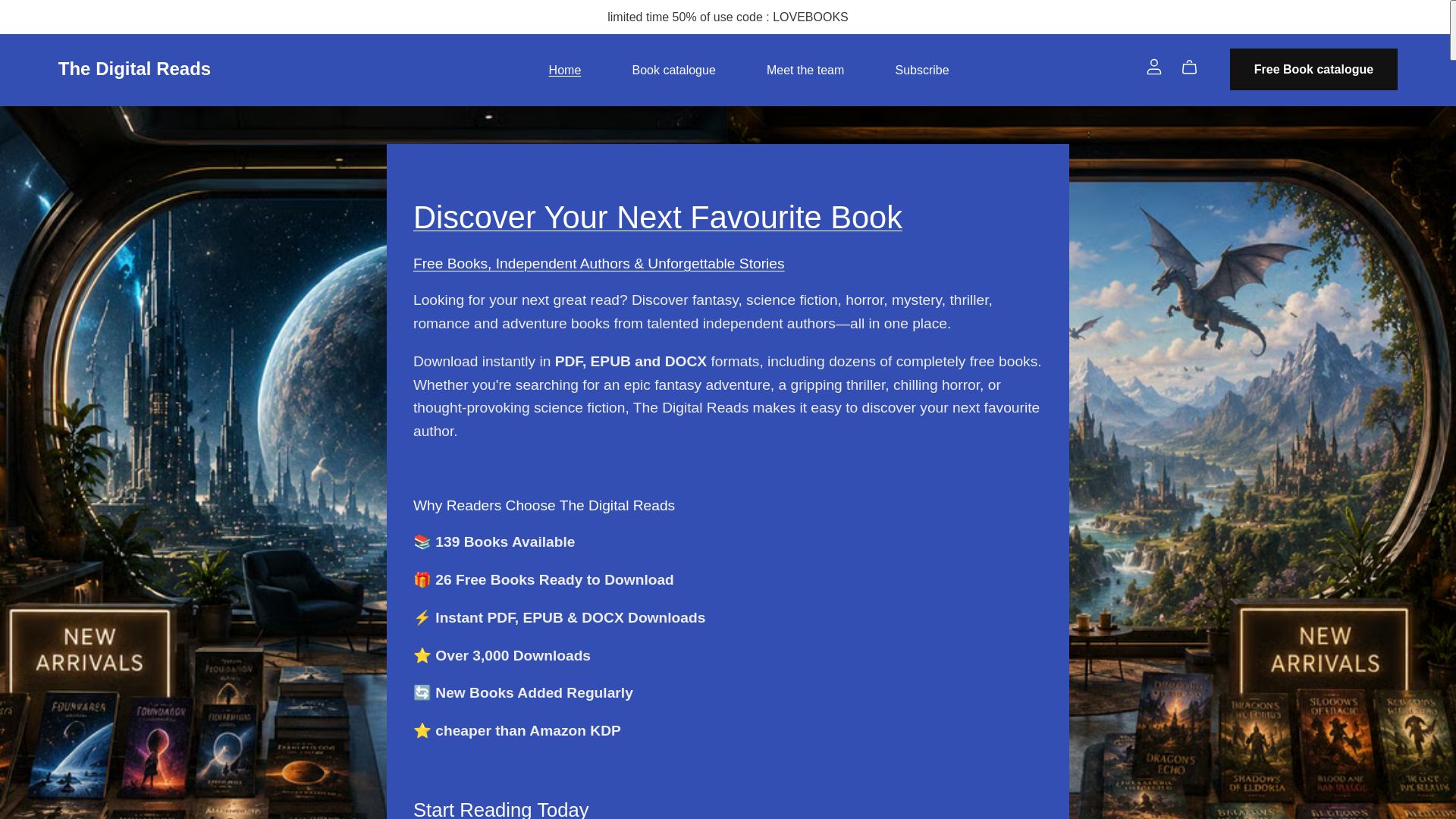
What makes it practical for splatterpunk and extreme horror fans specifically: the catalog includes indie and transgressive fiction that mainstream retailers often deprioritize, and the platform is built to support authors publishing outside the traditional system. No waitlists, no shipping delays, and no subscription required.
Browse the full collection and grab your next read at The Digital Reads. Disclosure: this article is published by Thedigitalreads, the marketplace linked above.
Sources
- What is Splatterpunk? Plus 7 Must-Read Splatterpunk Horror Books
- Splatterpunk
- 10 Extreme Horror Novels to Challenge Your Tolerance – The Horror Maven
- 22 Splatterpunk Books Not For The Faint Of Heart – Hey, I'm Reading
- 7 Extreme Horror Books That'll Leave A Mark (RANT) — Macabre Daily
FAQ
What is a splatterpunk book?
A splatterpunk book is a horror novel or story that uses graphic, visceral violence and a transgressive, countercultural attitude as its defining features. The term was coined by David J. Schow in the mid-1980s to describe a movement that rejected horror's tendency to imply rather than show.
What is the most famous splatterpunk book?
The Light at the End by John Skipp and Craig Spector (1986) is the title most consistently named as the genre's defining work. Poppy Z. Brite's Exquisite Corpse is frequently cited as its literary peak.
What is the point of splatterpunk books?
Splatterpunk uses extreme content to force readers past comfortable narrative assumptions, exploring moral chaos, social transgression, and the limits of human behavior. The gore is a vehicle, not just a destination.
Is splatterpunk the same as extreme horror?
They overlap significantly but are not identical. Splatterpunk carries a specific 1980s lineage and aesthetic attitude; extreme horror is a broader contemporary label that includes bizarro fiction and body-horror hybrids that may have no connection to the original movement.
Recommended
- Best New Books to Read in 2026: Sci-Fi, Thrillers, Horror and Historical Fiction You Can’t Miss
- From the Biggest Movies of 2026 to Your Next Great Read: Discover Hidden Gems at The Digital Reads
- Book Trending Now: 10 Best Books at the Moment You Should Add to Your Reading List
- Best LitRPG Books for New Readers: Quick Picks and Where to Start