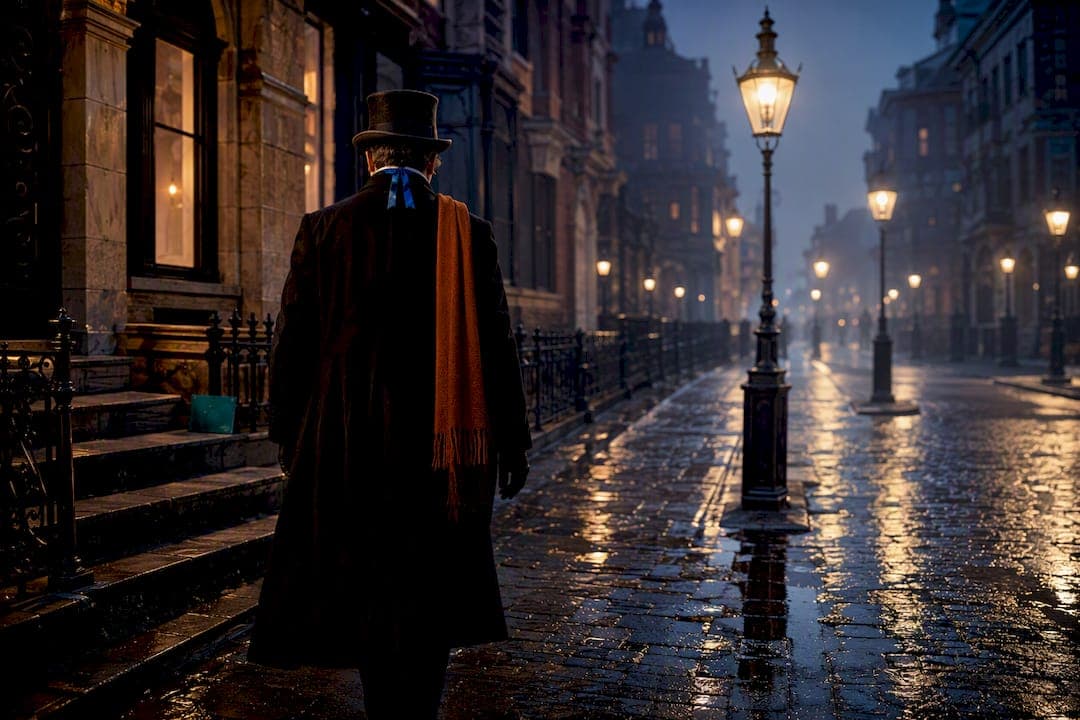
Gaslamp fantasy is historical fantasy set around the 19th century that foregrounds magic and Gothic mood rather than alternate steam-driven technology. Think foggy streets, secret societies, and spellwork woven into Victorian drawing rooms instead of clockwork gadgets. It's a close cousin of steampunk, not a twin, and this guide is for you whether you're hunting your next atmospheric read or plotting your own manuscript.
TL;DR:
- Gaslamp fantasy focuses on magic and supernatural forces as the main drivers of plot, rather than technological inventions or inventions.
- The genre is characterized by Victorian aesthetics, Gothic atmosphere, and social tensions involving class, morality, and hidden histories.
- It is distinct from steampunk, which relies on speculative machinery; gaslamp stories emphasize spells, curses, and occult elements instead.
- Notable works include Jonathan Strange & Mr Norrell, Girl Genius, and Bloodborne, with many stories set in or inspired by 19th-century settings.
- The genre increasingly explores themes of colonialism, gender, and race, often reinterpreting or challenging the historical era's stereotypes and injustices.
Table of Contents
- What Is Gaslamp Fantasy, and Where Did the Term Come From?
- What Makes a Story Gaslamp Fantasy? Core Characteristics
- Gaslamp Fantasy vs. Steampunk: How to Tell Them Apart
- Notable Gaslamp Fantasy Books, Comics, Games, and Shows
- The Themes Gaslamp Fantasy Keeps Coming Back To
- How to Write Gaslamp Fantasy: A Practical Starting Point
- Where to Find Gaslamp Fantasy Worth Reading
- An Editor's Take on Why This Genre Keeps Pulling Readers In
- Read Gaslamp Fantasy Instantly, No Long Wait Required
- Sources
- FAQ
What Is Gaslamp Fantasy, and Where Did the Term Come From?
The name traces back to Girl Genius, the webcomic by Phil and Kaja Foglio, which fans and critics used to describe a story that felt Victorian in flavor but leaned hard into magic instead of mad science. That coinage stuck, and readers started applying it retroactively to older books that fit the same mold, even though those authors never used the term themselves.
The label spread because it filled a real gap. Steampunk had become shorthand for goggles, airships, and brass gears, but plenty of period fiction had nothing to do with invented machinery. It was about sorcery, ghosts, or fae bargains dressed in corsets and top hats. Gaslamp fantasy gave that fiction a home.
Most gaslamp stories anchor themselves in specific historical periods like the Regency era, Victorian era, and Edwardian era, which are commonly referenced for their manners, class structure, and aesthetic, though exact date ranges vary among works.
The subgenre has since loosened its grip on strictly British settings. Writers now place gaslamp stories in fantastical analogs of Paris, New Orleans, colonial India, and invented cities that only borrow Victorian textures. Book Riot's history of the genre notes that gaslamp fantasy sits inside the broader historical fantasy umbrella, and its geographic and cultural scope has widened considerably as authors reinterpret the era through new lenses.
What Makes a Story Gaslamp Fantasy? Core Characteristics
You can usually spot gaslamp fantasy by its atmosphere before you even hit the plot. Gas streetlamps, cobbled roads, corsets, calling cards, and drawing room etiquette all signal the era fast. The word "gaslamp" itself works as visual shorthand, evoking a mood more than a strict calendar date, according to Pandemonium Books and Games.
Beyond the set dressing, three traits separate genuine gaslamp fantasy from its neighbors:
- Magic drives the plot. Curses, spirits, occult societies, or fae politics move the story forward, not steam engines or clever inventions.
- Gothic tone runs underneath everything. Expect fog, moral ambiguity, crumbling estates, and a persistent sense that something unnatural lurks just past the lamplight.
- Social friction matters. Class tension, propriety, and the gap between public manners and private secrets often shape the conflict as much as the magic does.
Common tropes include secret magical orders hiding inside respectable society, hidden histories where magic quietly altered real events, and horror elements borrowed straight from Gothic literature. As TVTropes puts it, gaslamp fantasy plays as Steampunk's more magically inclined cousin, often layering in alternate history and Gothic staples at once.
If you're writing in this space, period voice matters, but readability matters more.
Pro Tip: Sprinkle period vocabulary and formal dialogue rhythms into scenes, but don't force every sentence into stiff 19th-century phrasing. One well-placed "shan't" does more work than ten.
Gaslamp Fantasy vs. Steampunk: How to Tell Them Apart
The confusion between these two genres is understandable, since they share a wardrobe. Both love Victorian silhouettes, foggy cities, and inventors' workshops. The real difference is what makes the plot move.
Steampunk runs on speculative technology. Its stories hinge on inventions, mechanical innovation, and "what if the steam engine had gone further" thinking. Gaslamp fantasy runs on magic and the supernatural instead. Gamerant's breakdown of the genre makes this distinction directly: gaslamp fantasy borrows the aesthetic of the late 19th century while keeping magic, not alternate steam-driven machinery, as the engine of the plot.
Here's a quick test to settle the question for any specific book, comic, or game:
- Does the central conflict hinge on an invention or piece of speculative tech? That points toward steampunk.
- Does it hinge on a spell, curse, prophecy, or supernatural rule? That points toward gaslamp fantasy.
- Does it lean equally on both, with enchanted machinery or "magitek" powering the world? You're in overlap territory, and that's fine. Genres blur constantly.
Games like Dishonored and shows like Arcane sit right in that blurry middle, blending mystical forces with fantastical technology until the two are nearly inseparable. That overlap isn't a flaw in the framework; it's proof the two genres grew from the same root and kept branching.
Notable Gaslamp Fantasy Books, Comics, Games, and Shows
The genre spans far more than novels, which makes it easy to sample no matter your preferred format.
- Girl Genius (Foglio & Foglio) — the webcomic that gave the genre its name. Mad science and sparky inventors coexist here, but the sensibility that made "gaslamp fantasy" a useful label came directly from how fans described its tone, cited by TVTropes as the trope namer.
- Jonathan Strange & Mr Norrell (Susanna Clarke) — widely regarded as the genre's literary centerpiece. Magic resurges in an alternate England and quietly rewrites the Napoleonic Wars, and Book Riot points to it as a defining text for the subgenre's blend of history and sorcery.
- Bloodborne (FromSoftware) — a video game example built almost entirely on Gothic horror and pervasive supernatural forces layered over Victorian-inspired architecture, rather than speculative gadgetry. Its inclusion here, per Gamerant, shows how far the genre reaches beyond prose.
- Arcane (Netflix/Riot Games) — a case study in overlap. Its city of Piltover leans steampunk with invention and industry, while Zaun's chemically fueled unrest and magical undertones pull it toward gaslamp territory.
- The Guttered Dark — a gothic, atmosphere-driven read available through Thedigitalreads, useful if you want the mood of gaslamp fantasy without needing a household-name classic to start.
Each of these works anchors itself in a period feel, leans on a supernatural or magical engine, and carries a distinct social or moral tension underneath the plot. Sample a comic if you want art alongside the atmosphere, a game if you want to walk the fog yourself, or a novel if you want the interior voice that print does best.
The Themes Gaslamp Fantasy Keeps Coming Back To
Underneath the fog and fashion, gaslamp fantasy tends to circle a handful of recurring preoccupations. The era it borrows from was one of empire, industrial upheaval, and rigid social hierarchy, and modern authors rarely leave that context untouched.
- Colonialism and power. Many recent gaslamp novels use the setting to examine, rather than celebrate, the historical reach of empire.
- Gender and class constraint. Corsets and calling cards make convenient metaphors for characters straining against the roles assigned to them.
- Gothic inheritance. Horror, moral ambiguity, and the uncanny remain baked into the genre's DNA, tracing back to its Victorian Gothic ancestors.
- Decolonial reinterpretation. A growing wave of authors sets gaslamp stories outside Britain entirely, or tells them from the perspective of characters the original Victorian canon ignored.
Book Riot notes that contemporary gaslamp fiction increasingly interrogates colonialism, racism, and sexism directly, rather than treating the 19th century as a purely decorative backdrop. That shift is part of why the genre keeps attracting new writers instead of calcifying into costume drama with spells attached.
How to Write Gaslamp Fantasy: A Practical Starting Point
Start with your historical anchor. Decide whether you're working in a recognizable Regency, Victorian, or Edwardian frame, or building an invented analog city that only borrows the texture. That choice determines your vocabulary, your social rules, and how much real history you're obligated to research.
Here's a workable sequence for drafting your first chapters:
- Pick your magic's visibility. Does everyone know sorcery exists, or is it hidden behind respectable society's closed doors? This single decision shapes your entire plot structure.
- Build a magic system with internal logic. Even loose, atmospheric magic needs rules a reader can sense, or the stakes will feel arbitrary.
- Layer period detail through objects and dialogue, not paragraphs of exposition. A character's gloves, a calling card left on a silver tray, a specific street name, these do more worldbuilding than a history lecture.
- Research before you touch colonial or class themes. If your story engages empire, race, or gender constraint, read primary accounts and current critical work first. Treating the era's injustices as decoration rather than substance is the fastest way to write a book that ages badly.
Pro Tip: Keep a running list of sensory period details (smells, sounds, fabrics) as you research, and drop them in one at a time rather than dumping them all in chapter one.
Where to Find Gaslamp Fantasy Worth Reading
Thedigitalreads carries genre fiction from independent authors across fantasy, horror, and thriller shelves, including atmospheric, Victorian-flavored reads that fit squarely into gaslamp territory. The catalog runs past 139 titles, with 26 available completely free, so you can sample the genre before committing to a purchase.
- Search tags related to Gothic, Victorian, or historical fantasy to surface gaslamp-adjacent titles fast.
- Browse the most atmospheric books ever written for mood-first recommendations.
- Check The Iron Ascent: Enter the Iron City for a title that leans into industrial, genre-blending atmosphere.
An Editor's Take on Why This Genre Keeps Pulling Readers In
Gaslamp fantasy works because it takes a period we already associate with rigid rules and secrets behind closed doors, then hands the plot to something no drawing room etiquette can contain. That tension between propriety and the supernatural is why the genre outlasts its trends...
— richard
Read Gaslamp Fantasy Instantly, No Long Wait Required
Thedigitalreads gets you into a new gaslamp-flavored world in minutes, not weeks, because every ebook downloads instantly in PDF, EPUB, or DOCX the second you check out. No waiting on a library hold, no browsing a shelf that doesn't have what you're after.

Since the catalog centers on independent authors, you'll find atmospheric, Victorian-tinged stories you won't stumble across at a big-box retailer, alongside titles like Sandgrave The Last Burning City for readers who want a darker, world-driven read. Pair your next gaslamp pick with a browse through the most popular fantasy books this month to see what other readers are downloading right now. If you're chasing the visual side of the genre too, Squish Games' guide to AI fantasy video generation is worth a look for building out your own gaslamp-inspired characters and art. Head to the Thedigitalreads homepage and start browsing the free titles first. There's no faster way to test whether this genre is for you.
Sources
- The Gaslamp Fantasy Subgenre, Explained
- The Birth and Evolution of Gaslamp Fantasy | Book Riot
- Gaslamp Fantasy - TV Tropes
FAQ
What is a gaslamp fantasy?
Gaslamp fantasy is a subgenre of historical fantasy set roughly in the 19th century, usually Regency through Edwardian, where magic or the supernatural drives the plot instead of invented technology.
How does gaslamp fantasy differ from steampunk?
Steampunk centers its plot on speculative machinery and invention, while gaslamp fantasy centers its plot on magic, curses, or supernatural forces, even though both share a similar period aesthetic.
What does "gaslamp" mean in this context?
"Gaslamp" refers to the gas streetlamps that lit 19th-century cities, and the word works as visual shorthand for that foggy, Victorian atmosphere rather than a strict date range.
What is the most spicy fantasy book?
That label depends heavily on personal taste and shifts constantly across romance and fantasy communities, so there's no single definitive answer, though many gaslamp-adjacent Gothic romances lean into tension and sensuality as part of their mood.
Is Jonathan Strange & Mr Norrell a good starting point for gaslamp fantasy?
Yes, it's widely considered one of the genre's defining novels, blending an alternate 19th-century England with resurgent magic that reshapes real historical events.