
If you want the short answer, Thedigitalreads has you covered: the picks below span contemporary rom-com, high fantasy, YA, queer romance, slow-burn historical, and dark/mafia fiction, so you can grab something tonight regardless of your mood. Here are the top titles to start with.
- Pride and Prejudice — Jane Austen (1813): The original template; Darcy's pride and Elizabeth's prejudice create one of fiction's most satisfying reversals. Best for: classic ETL.
- The Hating Game — Sally Thorne (2016): Razor-sharp office banter between two co-assistants who can't decide if they want to win or kiss. Best for: contemporary slow-burn. (Note: technically rivals-to-lovers — see Section 2.)
- Beach Read — Emily Henry (2020): A romance novelist and a literary fiction writer swap genres and grudges over one summer. Best for: rom-com with emotional depth.
- Fourth Wing — Rebecca Yarros (2023): Dragon riders, war college, and a hero who may be ordered to kill the heroine. Best for: fantasy ETL with high stakes. ⚠️ Contains violence and morally complex power dynamics.
- The Cruel Prince — Holly Black (2018): A mortal girl claws for power in a faerie court against a prince who despises her. Best for: YA dark fantasy.
- The Bookshop of Second Chances — Jackie Fraser (2022): A recently divorced woman and a grumpy Scottish laird argue overbooks and eventually much more. Best for: slow-burn adult contemporary.
- Delilah Green Doesn't Care — Ashley Herring Blake (2022): A queer photographer returns to her hometown and sparks fly with her stepsister's best friend. Best for: queer ETL.
- A Court of Thorns and Roses — Sarah J. Maas (2015): A mortal huntress is taken to a faerie land by the creature she killed. Best for: fantasy with fated-enemies tension.
- The Kiss Quotient — Helen Hoang (2018): An economist with autism hires a male escort to practice dating — and they genuinely cannot stand each other at first. Best for: contemporary with heat.
- Lothaire — Kresley Cole (2012): The most ruthless vampire alive discovers his fated mate is the human woman he framed for murder. Best for: paranormal dark ETL. ⚠️ Dark content; nonconsensual framing in early chapters.
- Shiver of Thorns — Brigitte Knightley (2024): An assassin and a scholar-healer from opposing orders are bound together by a plague neither can survive alone. Best for: slow-burn fantasy with ideological conflict.
- Enemies to Lovers — Alisha Rai (2026): A con woman and an FBI agent road-trip across the country to save their families. Best for: adventure rom-com with forced proximity.
Table of Contents
- What does "enemies to lovers" actually mean?
- Curated enemies-to-lovers picks by sub-genre and mood
- How do you spot a true enemies-to-lovers read?
- Which enemies-to-lovers series are worth bingeing?
- Where and how to find enemies-to-lovers books in every format
- Key Takeaways
- Why these picks, and what to request next
- Find your next read on Thedigitalreads
- Further reading and sources
What does "enemies to lovers" actually mean?
The core definition is simple: two characters begin the story in genuine opposition and end it in love. What separates a true enemies-to-lovers arc from its lookalikes is the nature of that opposition. According to PlotProse's trope field guide, true enemies carry moral or ideological conflict that must be resolved for the payoff to feel earned. Rivals compete for a prize. Enemies stand against each other's fundamental values, worldviews, or survival.
That distinction matters in practice. When you read a rivals-to-lovers story, the tension dissolves once the competition ends. In a true ETL arc, the characters have to change, not just stop competing. Sara Marks puts it plainly: the trope succeeds when hostility softens into earned respect, not when it simply runs out of steam.
Three common mislabels to know:
- Rivals-to-lovers: Characters compete for the same job, prize, or rank. The Hating Game is the most-cited example. Book Riot's trope guide makes this call explicitly: the co-assistants are competitors, not enemies. Still a great book, just a different trope.
- Opposites-attract: Characters clash because of personality differences, not stakes. No ideological conflict, no real antagonism, just friction from being different people.
- Faux-enemies: Characters act hostile but have no genuine reason to be. The "enemy" label is a costume, not a character truth. The tension feels thin because there's nothing real to resolve.
Pro Tip: Watch for hostility that never converts. If one character's cruelty toward the other is never addressed, never apologized for, and never transformed into respect, that's not an ETL arc. That's a red flag. A satisfying payoff requires both characters to earn the shift.
Curated enemies-to-lovers picks by sub-genre and mood
Contemporary rom-com
Beach Read — Emily Henry (2020) January, a romance novelist, and Augustus, a literary fiction writer, are neighbors for the summer and have every reason to dislike each other. They bet they can each write the other's genre. The tension in Emily Henry's work lives on the thin line between attraction and obsession, and Beach Read is where she first perfected that balance. Why it fits: ideological clash (genre snobbery as a genuine value conflict) plus forced proximity. If you liked this, try: The Hating Game for sharper office banter.
The Hating Game — Sally Thorne (2016) Lucy and Joshua share an office, share a boss, and share a mutual loathing that is almost certainly something else. Technically rivals-to-lovers, but the emotional mechanics are close enough that most ETL readers will love it. Why it fits: workplace proximity engine, slow-burn tension, and a confession beat that lands hard. Format: widely available as ebook and audiobook.
The Bookshop of Second Chances — Jackie Fraser (2022) Thea escapes a collapsing marriage by retreating to a Scottish village, where she immediately clashes with the laird next door over a collection of books they both want. Fraser's pacing is genuinely slow, which is a compliment. Why it fits: personal grudge sub-trope, forced proximity via shared inheritance dispute. If you liked this, try: One Day in December by Josie Silver for another slow, character-driven adult contemporary.
Fantasy and high stakes
Fourth Wing — Rebecca Yarros (2023) Violet Sorrengail is pushed into a war college for dragon riders by her general mother. Xaden Riorson, the most powerful rider in the school, has every reason to want her dead. Yarros builds the proximity engine through shared training, shared danger, and secrets that neither character can afford to reveal. Why it fits: ideological and familial conflict, enforced cohabitation, slow-burn with high body count. ⚠️ Violence, morally complex power dynamics. If you liked this, try: the books like Fourth Wing roundup on Thedigitalreads for similar fantasy picks.

The Cruel Prince — Holly Black (2018) Jude Duarte was taken to Faerie as a child and has spent years earning respect in a court that considers her disposable. Prince Cardan despises her. She decides to use him anyway. Why it fits: power imbalance as the source of genuine antagonism, not just personality friction. The conflict is ideological and survival-level. If you liked this, try: An Ember in the Ashes by Sabaa Tahir for another mortal-in-a-hostile-world setup.
Shiver of Thorns / The Exquisite Torment of Loving Your Enemy — Brigitte Knightley (2024) Osric is a guild assassin; Aurienne is a scholar-healer whose order's motto is "harm to none." Their monthly healing sessions are the only thing keeping him alive and the only thing threatening her ethics. Why it fits: ideological enemies sub-trope at its purest. The conflict isn't manufactured. ⚠️ Morally complex; some dark content. Format: available in ebook and hardcover.
YA enemies to lovers
The Cruel Prince — Holly Black (2018) Already listed above, but worth flagging here: this is the YA entry point for dark fantasy ETL. The writing is accessible, the stakes are real, and the payoff across the trilogy is genuinely earned.
An Ember in the Ashes — Sabaa Tahir (2015) A slave and a soldier in a brutal Roman-inspired empire are forced into proximity by a rebellion neither fully controls. The antagonism is structural, not petty. Why it fits: family/feud and ideological sub-tropes combined. If you liked this, try: Children of Blood and Bone by Tomi Adeyemi.

Queer ETL
Delilah Green Doesn't Care — Ashley Herring Blake (2022) Delilah, a photographer who fled her hometown and her complicated family, is dragged back for her stepsister's wedding. Astrid, the stepsister's best friend, is everything Delilah resents about the life she left. Why it fits: personal grudge rooted in genuine history, not manufactured misunderstanding. The antagonism has texture. Format: ebook and audiobook widely available.
Slow-burn and office
The Kiss Quotient — Helen Hoang (2018) Stella Lane, an econometrician with autism, hires escort Michael Phan to help her practice relationships. They start with a contract and end somewhere neither planned. Why it fits: the hostility here is internal and social rather than overt, but the slow reveal of genuine feeling follows the ETL emotional arc closely. If you liked this, try: The Roommate by Rosie Danan.
Historical ETL
Pride and Prejudice — Jane Austen (1813) Darcy insults Elizabeth at a dance. She decides he's the last man she could ever be prevailed upon to marry. He proposes twice. The enemies-to-lovers trope as a literary device has roots that run through Austen's work more than almost any other source. Why it fits: ideological clash (class pride vs. personal dignity), no forced proximity needed when the social world is small enough. If you liked this, try: A Knight in Shining Armor by Jude Deveraux for a medieval historical with similar emotional beats.
A Knight in Shining Armor — Jude Deveraux (1989) Jennifer Merrick is a Scottish chieftain's daughter; Royce Westmoreland is the English duke her clan is fighting. They hate each other with conviction. Book Riot calls this one of the best ETL stories of all time, and the medieval setting gives the conflict genuine stakes that contemporary settings rarely match.
Paranormal and dark
Lothaire — Kresley Cole (2012) Lothaire, one of the oldest vampires alive, has spent centuries plotting revenge. He frames a young Appalachian woman named Ellie for murder so he can use her as a vessel. Then he discovers she's his fated mate. The antagonism here is not metaphorical. ⚠️ Dark content; nonconsensual framing in early chapters. Read with awareness. If you liked this, try: A Touch of Darkness by Scarlett St. Clair for another mythology-rooted dark ETL.
Adventure rom-com
Enemies to Lovers — Alisha Rai (2026) Sejal Chaudhary is a reformed con woman trying to stay out of trouble. Krish Anand is an FBI-adjacent operative who needs her help finding his missing brother. They road-trip across the country with a fragile truce and a growing problem. Why it fits: forced proximity plus the classic "we're on the same side but I still don't trust you" dynamic. Format: available in ebook and paperback.
Indie and affordable picks
Indie ETL titles tend to surface first on marketplace platforms and often carry lower price points than traditionally published titles. Platform dynamics on indie-friendly marketplaces amplify niche ETL variants, including dark romance, paranormal, and fan-fiction-adjacent stories that major publishers rarely touch. Thedigitalreads carries a rotating catalog of these, with many titles available as free or low-cost downloads in PDF, EPUB, and DOCX formats.
How do you spot a true enemies-to-lovers read?
A genuine ETL arc has three structural markers: the characters start in real antagonism (not just mild irritation), a proximity engine forces repeated contact, and the transformation from hostility to affection is earned through character change, not plot convenience.
The fastest way to screen a blurb is to look for specific language. Readers often rely on terms like "slow burn," "forced proximity," "hate-to-love," or "midpoint shift" as reliable signals of execution style. If a blurb uses "enemies" but the review section mentions "they were never actually mean to each other," that's a faux-enemies entry. Skip it or adjust expectations.
High-quality ETL reads root antagonism in character history, beliefs, or survival stakes rather than simple miscommunication. If the entire conflict could be resolved by one honest conversation in chapter two, the book is probably not delivering a true ETL arc.
Red flags to watch for:
- Hostility that is never addressed or apologized for, just abandoned
- Nonconsensual scenes framed as passion rather than as something the characters must reckon with
- A grudge that functions as permanent character justification rather than something that evolves
- A "love" confession that arrives with no visible shift in either character's worldview
Pro Tip: On BookTok, the most viral ETL picks tend to have crisp, clippable beats: the hate-to-love kiss, the confession, the moment one character admits they were wrong. If a review says "the scene where X finally admits Y" without spoiling it, that's a strong signal the arc actually delivers. Use that language as a filter when browsing.
Which enemies-to-lovers series are worth bingeing?
Series give the ETL arc room to breathe, but they also risk dragging the payoff across too many volumes. Here's where the payoff actually lands.
- The Folk of the Air — Holly Black (The Cruel Prince, The Wicked King, The Queen of Nothing): The ETL payoff builds across all three books, with the sharpest tension in The Wicked King (Book 2). Start at Book 1; do not skip. Adult readers welcome; YA-shelved but with dark content.
- Empirium Trilogy — Claire Legrand (Furyborn, Kingsbane, Lightbringer): Dual-timeline fantasy with two female protagonists whose arcs intersect. The ETL thread runs through Rielle's storyline. Romance-forward within a worldbuilding-heavy structure. Start at Furyborn.
- Psy-Changeling — Nalini Singh (Branded by Fire, Book 6): The series is long, but Branded by Fire works as a near-standalone ETL entry. Mercy (a leopard sentinel) and Riley (a wolf lieutenant) are species enemies before they're anything else. Paranormal, adult, romance-forward.
- Immortals After Dark — Kresley Cole (Lothaire, Book 11): Lothaire is the darkest entry and the most committed ETL arc in the series. You can read it without the previous ten books, but the emotional weight of Lothaire's reputation lands harder if you've seen him in earlier volumes. ⚠️ Dark content throughout the series.
- Dearly Beloathed duology — Brigitte Knightley: Two-book series. Book 1 (The Irresistible Urge to Fall for Your Enemy) sets up the ideological conflict; Book 2 (The Exquisite Torment of Loving Your Enemy) delivers the payoff. Read in publication order. Adult, slow-burn, fantasy.
Where and how to find enemies-to-lovers books in every format
Many ETL titles are available across ebook, audiobook, and print simultaneously, and indie picks often appear first or cheaper on marketplace platforms. Format choice usually comes down to how you read and what you're willing to spend.
| Format | Best for | Typical cost | How to sample | Immediacy |
|---|---|---|---|---|
| Ebook (PDF/EPUB/DOCX) | Budget readers, late-night reading, instant access | Free to low-cost on indie platforms; $7–$15 on major retailers | Sample chapters on marketplace pages | Instant download |
| Audiobook | Commuters, multitaskers | Subscription or moderate prices per title | First chapter free on most platforms | Instant stream |
| Paperback/POD | Gift buyers, collectors | Moderate price range | N/A | Standard shipping times |
Indie ETL titles, especially in dark romance, paranormal, and fan-fiction-adjacent categories, tend to surface first on marketplace platforms where authors publish directly. Indie platforms amplify niche ETL variants that traditional publishers rarely prioritize. Thedigitalreads is one of those marketplaces, with instant downloads in PDF, EPUB, and DOCX and a catalog that includes free and low-cost titles alongside paid releases.
Pro Tip: Before committing to an audiobook narrator, find a 5–10 minute sample clip on the platform or YouTube. ETL audiobooks live and die by narrator chemistry. A flat reading of a charged confession scene will kill the payoff entirely. For ebooks, most indie marketplace pages offer a sample chapter. Read it before you buy.
Key Takeaways
The best enemies-to-lovers reads share three things: genuine antagonism with real stakes, a proximity engine that forces repeated contact, and a transformation that both characters earn.
| Point | Details |
|---|---|
| True ETL requires real stakes | Rivals compete; enemies have moral or ideological conflict that must be resolved for the payoff to land. |
| The proximity engine is structural | Forced cohabitation, shared quests, or workplace settings are what make the transition from hostility to affection believable. |
| Screen blurbs for earned arcs | Look for "slow burn," "forced proximity," and "hate-to-love" in reviews; avoid entries where hostility is never addressed. |
| Trigger warnings matter | Dark and paranormal ETL titles (especially Lothaire) contain content that deserves a heads-up before you dive in. |
| Thedigitalreads for indie picks | Browse the fiction collection for affordable and free ETL ebooks with instant PDF/EPUB/DOCX downloads. |
Why these picks, and what to request next
Putting this list together meant prioritizing books where the antagonism is real, the payoff is earned, and the sub-genre spread is wide enough that you can find something whether you're in the mood for a Scottish laird argument or a dragon-rider standoff. The Thedigitalreads catalog leans into indie and affordable fiction, which is why the list includes picks you won't always find on mainstream bestseller roundups alongside the titles everyone already knows.
If you want a deeper list for a specific mood, drop a request. A queer historical ETL list, a dark romance deep-dive, or a "no explicit content" slow-burn roundup are all worth their own piece. Use the book request feature on the site or leave a comment, and the next curated list can go wherever readers actually want it.
Find your next read on Thedigitalreads
Readers who want instant access to romance and fiction ebooks without paying mainstream retail prices have a straightforward option: the Thedigitalreads fiction collection carries indie and affordable ETL titles in PDF, EPUB, and DOCX formats, available the moment you check out. Many titles are free. The ones that aren't are priced well below what you'd pay on major platforms.
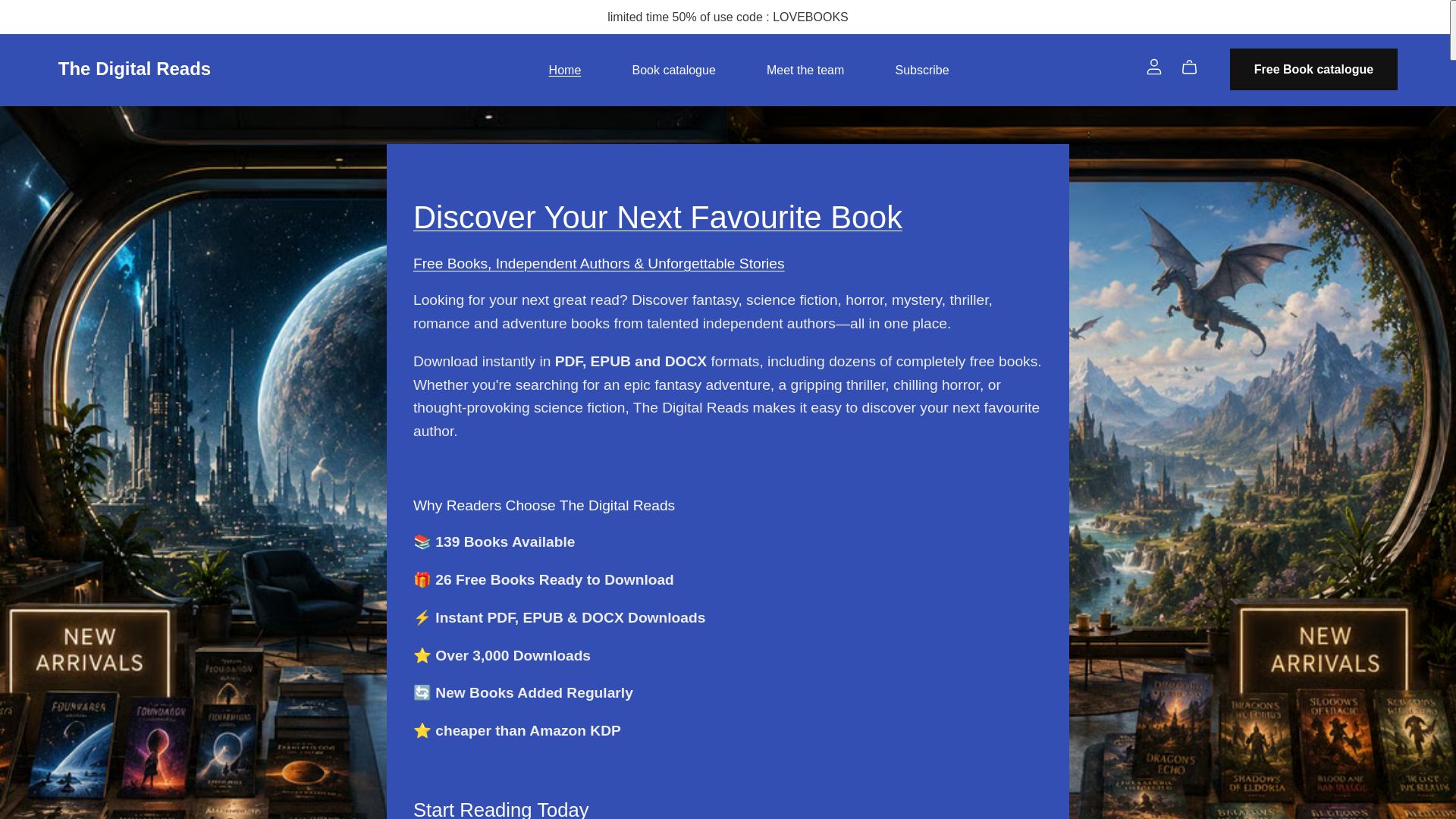
The fan fiction collection is also worth a look if you're drawn to fandom-adjacent ETL stories, which often push the trope further than traditionally published titles do. Browse by genre, check the sample where available, and download immediately. No subscription required, no waiting for shipping.
Further reading and sources
These are the most useful references for going deeper on the ETL trope, its craft mechanics, and its history across fandom and publishing.
- Enemies to Lovers — Fanlore: The most thorough catalog of ETL variations across fandom, including the enemies-to-friends-to-lovers and immediate hate-to-love branches. Good for understanding how the trope evolved in fanworks before it dominated published romance.
- Your Guide to the Enemies-to-Lovers Trope in Romance — Book Riot: Covers the rivals-to-lovers distinction clearly, with specific book examples. The most useful single source for readers who want to understand why some beloved titles are mislabeled.
- Enemies-to-Lovers Tropes: 5 Sub-Tropes and Best Pairings — PlotProse: A craft-oriented field guide that breaks down the five sub-tropes (workplace, family/feud, ideological, personal grudge, faux-enemies) and explains which supporting tropes strengthen each one.
- Why Enemies-to-Lovers Is the Most Misunderstood Romance Trope — Sara Marks: A sharp author essay on why hostility without transformation is not the trope, and what earned respect actually looks like on the page.
- Best Enemies-to-Lovers Romance Books, According to Emily Henry — The New York Times: Emily Henry's own picks and commentary on the thin line between compelling tension and uncomfortable obsession. Worth reading alongside any ETL reading list.
- Enemies to Lovers Romance — The Rivalry-to-Romance Tradition — Maliven: Covers how ETL overlaps with fake dating, forced proximity, and dark romance, and how indie platforms shape which variants get discovered.